Factsheet
Basic rights under ILO
The ILO sets international labour standards through key international agreements.
The ILO sets international labour standards through key international agreements.
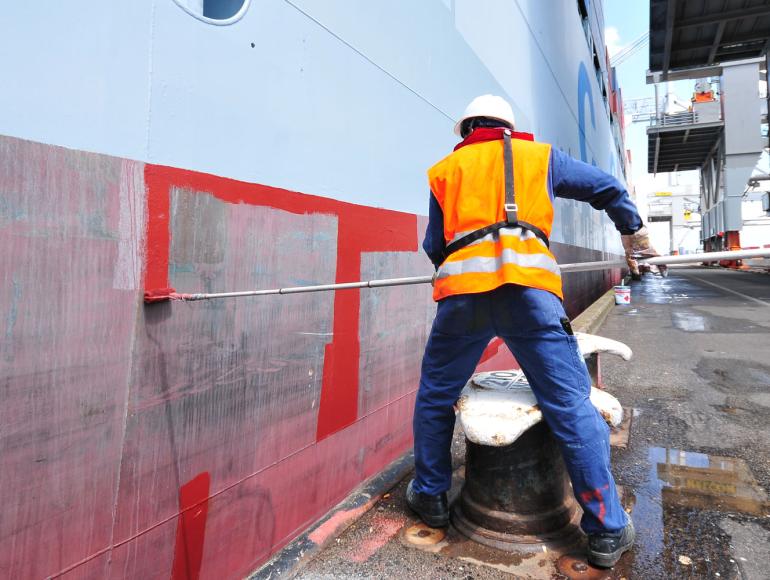
The MLC covers all vessels and applies to all seafarers. But you must be at least 16 and have a medical certificate to work on a ship.
The Maritime Labour Convention, 2006 (MLC), otherwise known as the Seafarers’ Bill of Rights, incorporates and builds on sixty eight existing maritime labour conventions and recommendations, as well as more general fundamental principles, to ensure decent working and living conditions for all seafarers.
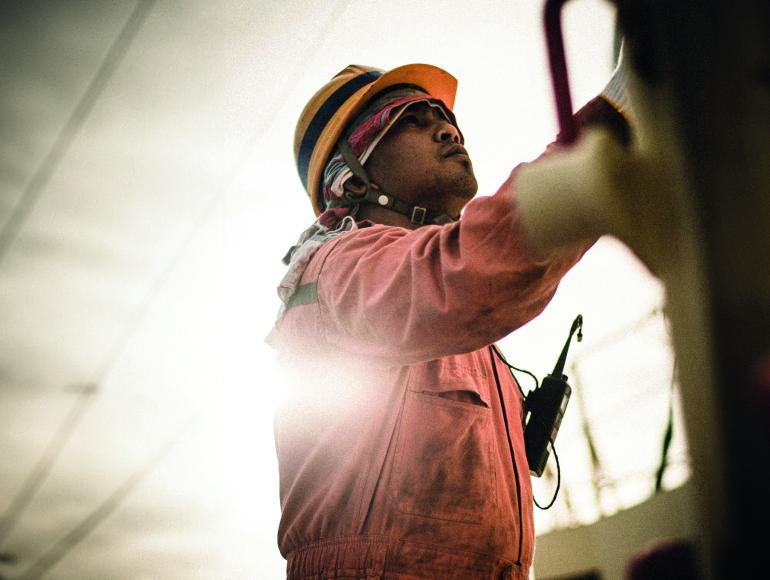
Your wage rates will depend on whether you are serving on a national flag vessel or a ship covered by an ITF agreement.
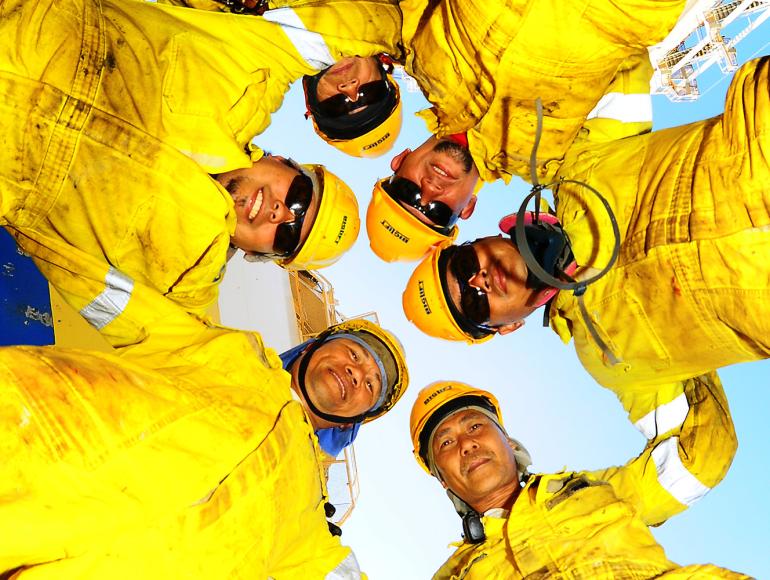
Being a member of trade union can mean the difference between getting the medical help you need when you break a bone or suffering for a lifetime without proper treatment.
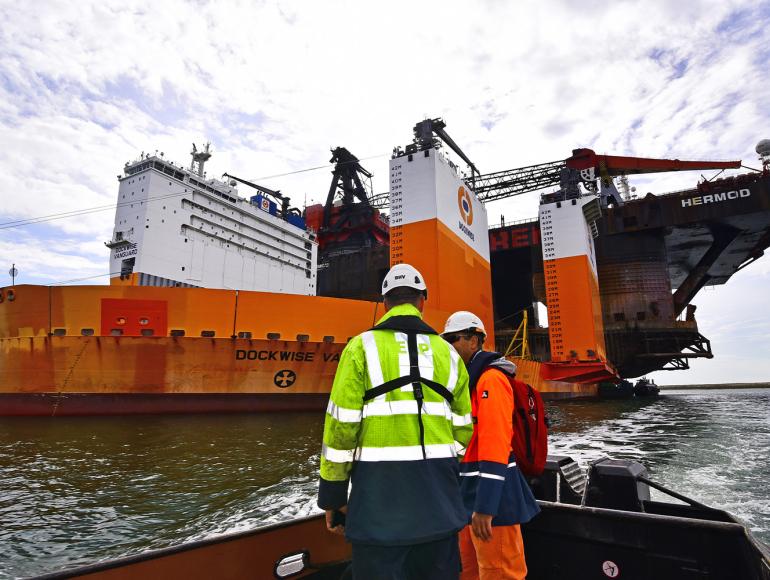
In countries where the Maritime Labour Convention, 2006 has been ratified, crewing agencies offering recruitment services must not charge you for finding you work.

Setting internationally recognised labour standards to protect the rights of workers
The International Labour Organisation (ILO) is the UN agency that sets internationally recognised labour standards to protect the rights of workers.
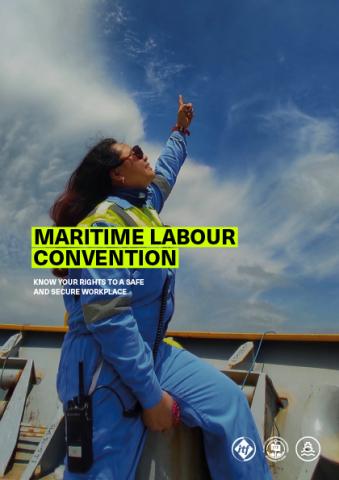
The International Labour Organization's Maritime Labour Convention (MLC) 2006 - also known as the Seafarers’ Bill of Rights – sets out the minimum rights that you should expect as a seafarer.

Seafarers’ rights is a complex area since your rights can exist at different levels and they can be overlapping and sometimes conflicting.
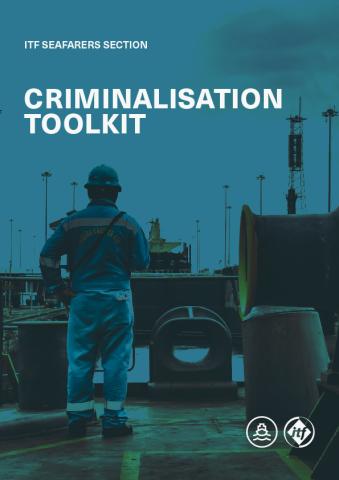
Criminalisation is one of the most serious problems facing seafarers today. When there has been a maritime accident, or a pollution infringement, seafarers have often been detained and denied access to normal rules of fair play and justice with which to defend themselves against criminal charges.